


Bestsellers

Information Architecture
Explore Information Architecture Books: Build Better Digital Experiences
Whether you're a seasoned UX professional, a student of design, or someone fascinated by the art and science of organizing digital content, our collection of information architecture books will help you master the foundational principles and emerging best practices. From classic guides to top-rated textbooks and hands-on resources, ThriftBooks offers a wide range of new and used information architecture books—many at significant discounts—to support your journey in user experience, taxonomy, content modeling, and more.
Why Information Architecture Matters in UX and Design
Information architecture (IA) shapes how people find and use information online, influencing everything from website navigation to app structure and content clarity. If you want to design intuitive, effective digital products, developing a strong understanding of IA is essential. Our best information architecture books cover topics such as card sorting, taxonomy and metadata, and content modeling, ensuring you have the tools to create seamless interactions.
Start with the Essentials: Must-Read Information Architecture Books
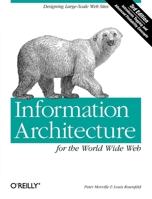
- Information Architecture by Peter Morville and Louis Rosenfeld is a foundational resource, often called the “polar bear book.” It’s the go-to guide for anyone looking to understand the core principles of organizing digital information and is especially valuable for those tackling complex websites or large-scale projects.
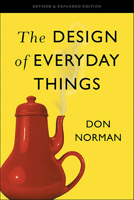
- The Psychology of Everyday Things (also known as The Design of Everyday Things) by Don Norman explores how human psychology influences design. This classic is ideal if you want to build user-centered systems by understanding how people perceive and interact with information structures.
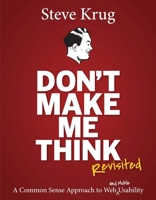
- Don't Make Me Think by Steve Krug is beloved for its clear, practical advice on usability. It’s a must-read for anyone who wants to make digital products simple and intuitive for users—directly tying into the goals of effective IA.
For Visual Learners: Information Visualization & Data Design
Visual communication is central to information architecture, especially when designing dashboards, navigation, or content layouts. The following top-rated information architecture books and design guides will help you master the art of visual clarity:
- Envisioning Information by Edward R. Tufte is celebrated for its elegant approach to displaying complex data. If you’re looking for inspiration on how to present information in visually compelling and meaningful ways, this book is indispensable.
- Beautiful Evidence, also by Tufte, takes visual storytelling a step further. It’s perfect for designers and information architects who want to deepen their understanding of how evidence and clarity intersect in visual design.
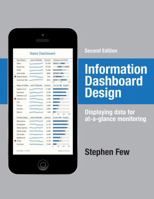
- Information Dashboard Design: The Effective Visual Communication of Data by Stephen Few is essential for those designing dashboards or data-rich interfaces. This book covers practical guidelines for organizing data visually so users can grasp insights quickly and efficiently.
Design Principles and Cognitive Science: Building Intuitive Structures
Strong information architecture is grounded in a deep understanding of how people process information. The best information architecture textbooks and reference guides in our collection help you apply proven design principles for enhanced usability:
- Universal Principles of Design is a comprehensive reference containing 100 design concepts that improve usability, influence perception, and increase appeal. It’s a valuable tool for anyone looking to bridge theory and practice in IA, covering topics like affordance, hierarchy, and feedback.
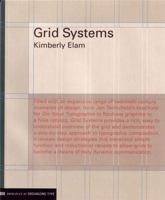
- Grid Systems: Principles of Organizing Type by Kimberly Elam offers a deep dive into grid-based design—a vital skill for information architects working on content modeling and page organization. This book will help you create layouts that are both beautiful and functional.
Information Architecture for UX: Interaction and Content Strategy
If your focus is on user experience, these information architecture for UX books will help you connect IA to practical design and content decisions. Whether you’re planning a site structure, developing navigation, or creating effective content, these titles provide actionable guidance:
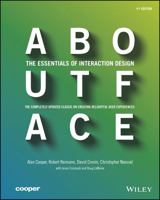
- About Face: The Essentials of Interaction Design by Alan Cooper and colleagues is a cornerstone text for designing usable digital products. It covers interaction patterns, persona development, and how IA supports intuitive workflows.
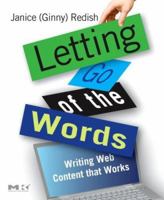
- Letting Go of the Words: Writing Web Content that Works by Janice (Ginny) Redish is an excellent resource for anyone responsible for website content. It explains how clear, user-focused writing and sound information architecture go hand in hand, ensuring users find what they need with ease.
For Students & Professionals: Best Information Architecture Textbooks and Reference Titles
Whether you’re taking a formal course or advancing your career, our selection includes the best information architecture textbooks and top-rated guides for in-depth learning:
- Classic Theory & Foundations: Information Architecture provides a comprehensive introduction and is frequently assigned in UX and library science programs.
- Human Factors & Usability: The Psychology of Everyday Things is required reading for understanding user behavior and cognitive psychology in design.
- Content Strategy & Writing: Letting Go of the Words is a practical guide for aligning IA with effective content creation.
Specialized Topics: Taxonomy, Metadata, Card Sorting, and Content Modeling
For information architects working on advanced challenges, our collection includes resources on taxonomy and metadata, card sorting methods, and content modeling for information architecture. While the following books do not focus solely on these topics, they provide frameworks and strategies you can apply:
- Universal Principles of Design includes key concepts for organizing and labeling information, supporting taxonomy and metadata work.
- Information Architecture provides practical advice on card sorting and structuring content, making it a useful guide for hands-on IA projects.
- Grid Systems supports content modeling by teaching you to design consistent, flexible layouts that scale with your information.
Choosing the Right Book for Your Goals
With so many excellent information architecture books available, consider your primary goals:
- For beginners: Start with Don't Make Me Think for a straightforward introduction to usability and IA basics.
- For deep dives: Information Architecture and Universal Principles of Design offer in-depth frameworks and practical applications.
- For visual inspiration: Explore Envisioning Information and Beautiful Evidence for guidance on clear, effective visual communication.
- For hands-on design: About Face and Grid Systems are ideal for those who want to put IA and interaction concepts into practice.
- For content strategists: Letting Go of the Words is unmatched for combining IA with effective web writing.
Discover More: Buy New & Used Information Architecture Books at ThriftBooks
ThriftBooks makes it easy and affordable to buy information architecture books—whether you’re seeking discount information architecture books for your library, used information architecture books for study, or the latest top-rated information architecture books to stay ahead in your field. Browse our ever-changing selection to find hidden gems and essential references for every stage of your career.
Ready to advance your understanding of information architecture? Explore our collection and find the right resources to organize, design, and communicate information with clarity and confidence.
