


Miriam Margolyes
Books by Miriam Margolyes
Author Bio
A voice that prefers the anecdote to the abstract
Miriam Margolyes’s books read like spoken stories shaped into print: quick turns, sharp observation, a willingness to linger on the odd, telling detail. Even when the subject is “life” in the broadest sense, she’s after the specific moment, the scene you can picture, the line you can hear. Across her memoir-leaning work and her literary commentary, she returns to character: how people present themselves, how they fail to, and how a good story keeps the mess intact.
Memoir with its sleeves rolled up
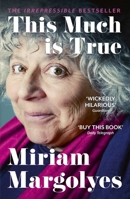
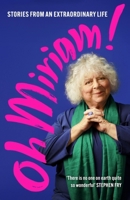
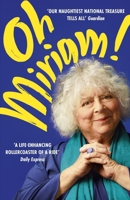
The clearest through-line is directness. This Much Is True announces its stance: not a polished legend, but events told plainly, with an ear for what’s funny, uncomfortable, or both. It suggests a narrator who knows the difference between accuracy and honesty, and prefers the latter. Oh Miriam!: Stories from an Extraordinary Life leans into the episodic. “Stories” is the key word: not one long march, but a sequence of encounters that gather force through accumulation. The exclamation point hints at a narrator who expects interruption and talks anyway. There’s also Oh, Miriam: Stories From An Extraordinary Life, a companion in title and intent: Margolyes returns to the same terrain from different angles, letting one anecdote unlock another.
Food as a form of autobiography
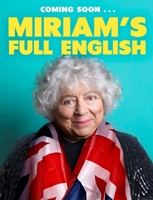
Miriam's Full English signals a shift in texture: appetite, ritual, and the social life of a table, the way a meal carries class, nostalgia, and comedy without announcing any of it. “Full English” conjures a plate but leaves room for digression: the opinions, the memories, the side glances that accompany food writing at its best. It suits a reader who likes memoir close to the senses, a taste or a smell with the meaning following.
Reading Dickens through his women
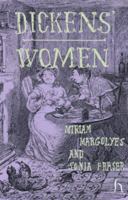
Margolyes’s range shows in Dickens' Women, which shifts focus from the self to the bookshelf. The possessive is doing work: these are not just women in Dickens; they are Dickens’ women, shaped by his attention, his blind spots, his tenderness, his satire. It promises a tour through character and the act of portrayal: what gets exaggerated, softened, punished, rewarded. For readers who come to Dickens with mixed feelings, it offers a way in: close reading without the seminar-room stiffness, noticing how each figure behaves on the page.
Finding your way in
Margolyes gravitates toward the vivid unit: a story, a scene, a character sketch, a meal. The momentum is built from episodes rather than suspense. You keep turning pages to hear what she’ll notice next, the odd detail that makes a memory feel inhabited, the blunt aside that punctures sentiment. For Margolyes at her most personal, start with This Much Is True and follow it into the looser shape of Oh Miriam!. For Margolyes as a reader, attentive to craft and impatient with cant, Dickens' Women offers a different intimacy: not confession, but close attention. And for memoir by way of appetite and ritual, Miriam's Full English points you toward the table. Readers searching “Miriam Margolyes books in order” often find these titles don’t demand a strict sequence; they’re less a single narrative than a set of doors into the same voice. If you’re looking to buy Miriam Margolyes books, you can find great low-cost copies on ThriftBooks.
ThriftBooks ® and the ThriftBooks ® logo are registered trademarks of Thrift Books Global, LLC
