


Michelle Cartlidge
Books by Michelle Cartlidge

Little Bunny's Picnic: 2
$5.49

Mouse Time: 9
Out of Stock

Mouse in the House (Lift a Flap)
$59.99 - $71.39
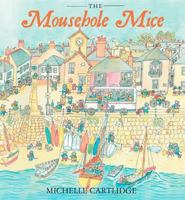
The Mousehole Mice
$22.28
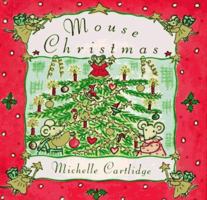
Mouse Christmas
Out of Stock

Book of Words: 2
$7.79 - $8.19
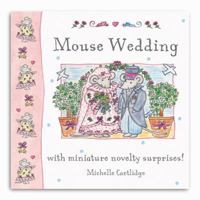
Mouse Wedding
Out of Stock
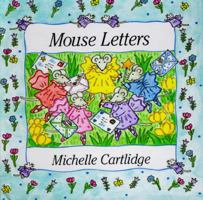
Mouse Letters
Out of Stock

Teddy's Christmas
$12.27 - $26.59
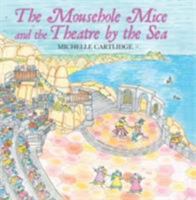
Mousehole Mice and the Theatre by the Se
Out of Stock
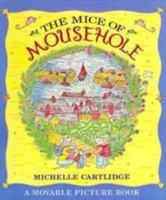
The Mice of Mousehole
Out of Stock

Little Mouse Makes Sweets
Out of Stock
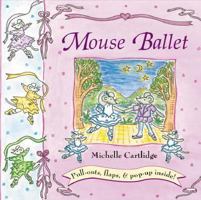
Mouse Ballet
Out of Stock

Little Boxes
Out of Stock

Mouse Theater
$87.29

Mouse Magic
$38.89
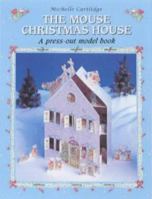
The Mouse Christmas House: A Press-Out Model Book
Out of Stock

Little Mouse Makes Cards
$18.79 - $21.49
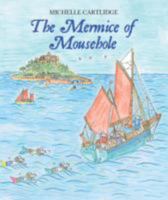
Mermice Of Mousehole
$22.28

Teddy Trucks
$20.29
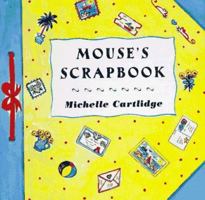
Mouses Scrapebook
$67.09

A mouse's diary
Out of Stock
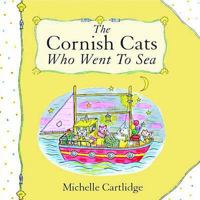
The Cornish Cats Who Went To Sea
Out of Stock

Mouse Poems (Read with)
Out of Stock

The Bears' Bazaar: A Story/Craft Book
$49.39

A House for Lily Mouse
$54.79

Teddy's Dinner
Out of Stock

Mouse's Christmas House: A Press-out Model Book
Out of Stock

Pippin and Pod
$23.59

Bears on the Go
Out of Stock
Author Bio
Small creatures, close-up moments
Michelle Cartlidge’s picture books return to a child-sized scale: a picnic spread, a house with corners to peek into, a day measured in simple units. They promise animals you can hold in your mind with one hand, bunny, mouse, and time that moves in a steady, reassuring way. These are books built for laps, for rereading, for the satisfaction of turning one more page. You can feel an interest in the everyday rituals that make a young child’s world legible. Even when “Magic” appears, it’s framed as something you can approach without fear: a little lift in the ordinary, not a thunderclap.
A gentle architecture: home, time, and naming things
Cartlidge’s recurring mouse signals a particular reading experience. A mouse is small enough to slip into places a child is curious about, cupboards, corners, the space behind a chair, and that sense of discovery suits the page. Titles like Mouse in the House (Lift a Flap) suggest an interactive structure where the book becomes a room to explore. Lift-the-flap formats turn reading into a sequence of tiny choices: look here, then there; check again. The pleasure is partly narrative, partly physical.
Time is another organizing principle. Mouse Time: 9 points toward counting, routine, and the way children learn to hold a day in their heads, something to revisit when a child is learning numbers, sequence, or the patience of “next.” For families looking for Michelle Cartlidge mouse books, this emphasis on structure is often the draw. Then there’s the simple act of naming. Book of Words: 2 sits in a tradition of early vocabulary books that treat language as a set of friendly labels. The best don’t feel like drills; they feel like recognition. A child points, an adult says the word, and the world clicks into place.
Popular Michelle Cartlidge books
- Little Bunny’s Picnic: 2 leans into the comforts of food, outdoors, and preparation, a story-space where a young reader can anticipate what comes next.
- Mouse Magic reads “magic” as playful possibility rather than high stakes, a cue for surprise and visual tricks that reward careful looking.
- Mouse in the House turns curiosity into a rhythm of lift, look, reveal; Mouse Time: 9 is number-forward, hinting at counting with the mouse as a steady companion; and Book of Words: 2 invites pointing, naming, and repetition, the building blocks of early reading confidence.
What these books are good at with a real child
Cartlidge’s titles cooperate with the way young children actually listen. They leave space for interruption: a child can stop to point at a detail, to ask what something is called, to open the same flap again. The reading doesn’t have to move in a straight line to be successful; it can loop and linger. The appeal is wonder that fits inside a domestic day, close enough to touch, the kind of imaginative play that happens at the kitchen table after lunch. And for adults reading aloud, there’s a relief in books built around clear nouns and clear actions. A picnic is a picnic. A house is a house. A mouse is a mouse. That clarity gives you room to add your own voices, pauses, and sound effects, the private theater of bedtime reading. If you’re looking to buy Michelle Cartlidge books, you can find great low-cost copies on ThriftBooks.
ThriftBooks ® and the ThriftBooks ® logo are registered trademarks of Thrift Books Global, LLC
