


Michele Marie Gervais
Author Bio
Where the body becomes a map
Michele Marie Gervais writes at the meeting point of anatomy and attention. Her titles start with the tangible, points, meridians, vessels, breath, then follow the thread into meaning. This is not self-help built on slogans but a working notebook. A list of acupuncture points becomes a way to notice patterns; an affirmation becomes a small lever you place under habit, fear, or fatigue. The emphasis is practical: words as tools, arranged so a reader can begin.
Energy points, translated into plainspoken messages
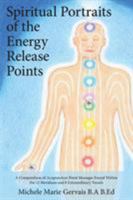
Spiritual Portraits of the Energy Release Points: A Compendium of Acupuncture Point Messages Found Within the 12 Meridians and 8 Extraordinary Vessels announces its scope right in the name. “Compendium” is honest: the book is a gathered set, organized around the architecture of acupuncture, the 12 meridians and the 8 extraordinary vessels, with each point approached as more than coordinates on a chart. The title promises a kind of translation, the body’s pathways becoming pathways of story: places where stress accumulates, where grief lodges, where resolve can be strengthened. Because the frame is systematic, it invites non-linear reading, by meridian, by curiosity, or by need. The “spiritual portraits” idea matters: a portrait catches a stance, a light, a recognizable expression, not the whole person.
Affirmations that aim for steadiness, not sparkle
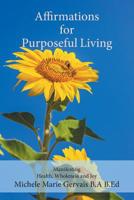
If that book is a map, Affirmations for Purposeful Living: Manifesting Health, Wholeness and Joy is a daily practice. The hinge word is “purposeful,” suggesting intention over intensity, a life shaped by repeated choices rather than sudden transformation. The method is simple: choose a sentence, speak it, write it, carry it, and see what changes. The sentences are meant to be revisited until they stop feeling like “lines” and start feeling like instructions the nervous system understands. Here “manifesting” points less toward wish-fulfillment than toward alignment: making your actions match what you say you want.
A body of work built for use
Read together, these books sketch a consistent sensibility. Gervais writes for readers who want spirituality with handles on it. One uses the structure of meridians and vessels; the other uses repeated statements. Both rely on a similar faith: that language, placed carefully, can change how a person inhabits a body. A compendium doesn’t demand you start at page one; an affirmation practice doesn’t demand you believe every sentence at once. You try, you keep what works, and you return later to find a line you resisted has become useful. The tone favors clarity over flourish, inviting you to notice where you tense, where you avoid, where you repeat the same story, then offering alternate phrasing as a new route.
Choosing a starting place
Readers drawn to body-based frameworks, acupuncture, energy pathways, the idea that emotion has a physical address, often start with Spiritual Portraits of the Energy Release Points, a way to think in locations: here is a point, here is a message, here is a possible release. Readers who want a smaller daily entry point often reach first for Affirmations for Purposeful Living. Searchers sometimes arrive with variations, “Michelle Marie Gervais” turns up often, but the through-line holds: Gervais writes toward practice, the quiet work of returning to yourself. If you’re looking to buy Michele Marie Gervais books, you can find great low-cost copies on ThriftBooks.
ThriftBooks ® and the ThriftBooks ® logo are registered trademarks of Thrift Books Global, LLC
