


Mercury Stardust
Author Bio
Home ownership, demystified, with a screwdriver in reach
Mercury Stardust writes practical nonfiction that assumes you want to understand your living space, not just survive it. The titles sketch a clear arc: first, get steady where you are; then, if you choose, move toward a place that’s yours. This is hands-on guidance for readers who like a plan, prefer plain language, and don’t want to be talked down to about tools, budgets, or fine print. Across Mercury Stardust books, “home” isn’t décor or aspiration. It’s a system: doors that stick, faucets that drip, walls that need patching, and decisions that cost real money. The promise is competence, not perfection, just the calm of knowing what to do next.
Work that starts with renters and keeps going
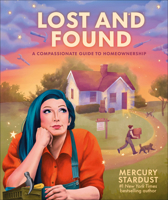
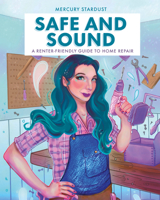
There’s a quiet logic to the pairing of Stardust’s two best-known guides. Safe and Sound: A Renter-Friendly Guide to Home Repair begins where many people actually live: in a place they don’t own, with limits on what they can change and a landlord who may or may not move quickly. The emphasis is on repairs that are both doable and responsible, the kind that reduce risk and leave you less at the mercy of every creak and leak. Then comes Lost and Found: A First-timer's Guide to Finding and Owning Your Home, which widens the frame. It’s not just about what breaks after you move in; it’s about the long, sometimes disorienting process of getting there. The phrase “first-timer’s guide” signals a book built for readers who want the steps laid out in order: what to look for, what to ask, what to learn before a decision becomes irreversible.
Safe and Sound: the mechanics of feeling secure
“Safe” comes first: not cosmetic upgrades, but the things that keep a home functioning and reduce hazards. “Sound” follows, implying sturdiness and good judgment. Home repair advice often splits into extremes, a quick hack that ignores consequences, or a full renovation that assumes you own the place. Stardust’s renter emphasis is a middle path: learn the basics, understand what you’re looking at, and know when to call for help, respecting the limits of a unit and a lease.
Lost and Found: a map for first-time buyers
Lost and Found carries a different tension. “Lost” is the feeling many people have when they first face buying a home, a swirl of listings, jargon, and advice that doesn’t match their reality. “Found” suggests the opposite: clarity, a decision made with eyes open, a place that fits. Framed as a guide to “finding and owning,” the scope extends beyond the purchase: owning a home isn’t a finish line but a new set of responsibilities, costs, and choices. Readers searching “Lost and Found Mercury Stardust” want a single, steady voice that walks them from confusion to a workable next step. The appeal isn’t hype. It’s orientation.
How it feels to read Mercury Stardust
Stardust writes to reduce intimidation, building books around tasks that make people freeze: fixing something you didn’t build, or buying something you’ve never owned. “Renter-friendly” acknowledges limits without treating them as failure; “first-timer’s guide” acknowledges inexperience without turning it into a flaw. These are books for readers who like advice concrete, living on a coffee table next to a tape measure. To patch the small stuff before it gets expensive, Safe and Sound is the obvious entry point. At the edge of a bigger change, the search, the purchase, the shift into ownership, Lost and Found is the companion for that season. If you’re looking to buy Mercury Stardust books, you can find great low-cost copies on ThriftBooks.
ThriftBooks ® and the ThriftBooks ® logo are registered trademarks of Thrift Books Global, LLC
