Skip to content
Scan a barcode
Scan

Melanie Gideon

Follow to get improved recommendations.

Author Bio

Melanie Gideon writes where modern life shows its seams

In Melanie Gideon’s fiction, the pressure points are familiar: marriage that has started to feel like a set of roles, friendship that turns complicated in the retelling, a private self interrupted by the public version. Her titles often arrive like overheard lines, quick, specific, a little exposing. You’re handed a situation, close to the skin, and asked to watch what it does to a person.

Domestic stakes, sharpened by the way we talk now

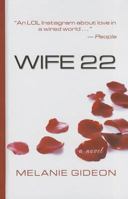
Even before you open Wife 22, the title suggests a label, a slot, a number where a name should be, and the quiet strangeness of being “known” through a questionnaire or a profile. Gideon’s work circles that tension: the self you live inside versus the self you can explain. That interest in how presentation becomes performance makes her novels feel tuned to email, texts, and the small negotiations in the margins of a day. The drama isn’t only in what characters do. It’s in what they admit, what they edit, and what they can’t stop thinking once they’ve typed it out.

What the titles promise: intimacy and friction

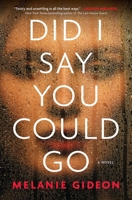
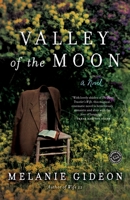
Did I Say You Could Go has the sound of a voice raised from another room, not quite anger, not quite fear, but something protective that can’t help becoming controlling. It implies a relationship where one person believes they’re in charge and another is testing the edges. The best domestic fiction makes those edges visible: the rules nobody wrote down, the moment when affection and authority get tangled. With Valley of the Moon, Gideon gestures outward. The title holds both place and mood, a valley you can travel through, a moon you can’t touch, where the external journey matters but the real movement is internal. Then there’s Pucker, a single word with a physical reaction built in, flirtation, embarrassment, or the response to something sour, a hint of Gideon’s willingness to let a scene be funny and mortifying at once.

A shift in register: when the story turns toward wonder

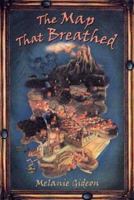
The Map That Breathed signals a different imaginative space. A map is supposed to be fixed: lines, borders, a promise the world can be made legible. But a map that breathes is alive. It changes. It resists being pinned down, opening a reading experience shaped by discovery rather than social realism. Placed alongside her contemporary titles, it shows a useful range. Some books stay close to the everyday, where the stakes are built from conversations and compromises. Others tilt toward the fable-like, where the central question becomes: what if the world itself answered back?

Why her fiction works for readers who like people under pressure

Gideon’s novels tend to begin with a premise that sounds simple, a role, a rule, a place on the map, and then complicate it. The tension lives not in melodrama but in accumulation: small decisions that add up, the way a relationship can feel stable until one new truth changes the balance. If you’re drawn to stories about marriage and identity, Wife 22 is an obvious entry point. If you prefer a title that sounds like a door opening or slamming, Did I Say You Could Go offers that charged immediacy. And for the uncanny pleasure of being led somewhere you didn’t expect, The Map That Breathed points the way. If you’re looking to buy Melanie Gideon books, you can find great low-cost copies on ThriftBooks.

Copyright © 2026 Thriftbooks.com Terms of Use | Privacy Policy | Do Not Sell/Share My Personal Information | Cookie Policy | Cookie Preferences | Accessibility Statement
ThriftBooks ® and the ThriftBooks ® logo are registered trademarks of Thrift Books Global, LLC
GoDaddy Verified and Secured