


J.D. Vance
Author Bio
Memory, argument, and the pressure of a place
J.D. Vance writes at the intersection of personal memory and public debate. The work circles back to first principles: what people owe their families, what communities owe their members, and what happens when the stories a country tells about itself don’t match the daily math of rent, work, and dignity. Even when the subject is broad, the books keep a human scale, returning to the household, the church pew, the small decisions that add up. For readers coming to J.D. Vance books for the first time, the experience is less about plot than about stance: a voice trying to name what it sees.
The book that set the terms
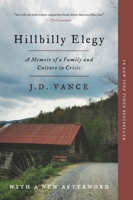
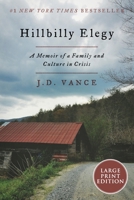
Hillbilly Elegy announces itself plainly: a memoir, and also a diagnosis. The subtitle, “A Memoir of a Family and Culture in Crisis,” signals the double aim. It wants to be intimate enough to hold family life up close, and wide enough to talk about culture without losing the thread. The personal material isn’t private property; it’s evidence in an argument about how people live and why. The word “elegy” suggests grief, but also form: a way of speaking that honors what’s gone while admitting what hurt. The “crisis” frames the memoir as a report from inside a pressure system of family loyalty, instability, pride, and the stubborn hope that things can be different. There is also Hillbilly Elegy: A Memoir of a Family and Culture in Crisis, a separate listing of the same work, useful if you’re particular about cover, printing, or ISBN.
Faith and communion
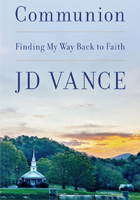
A Relevant Faith: Searching for a Meaningful American Christianity signals a different project, built out of questions. “Relevant” implies a gap between inherited language and present need. “Searching” promises movement rather than conclusion. And “meaningful American Christianity” places belief in a specific context: not abstract theology, but faith as it’s practiced, argued over, and lived. Communion is the most compact and maybe the most suggestive title. It can mean sacrament, shared table, fellowship, a bond that isn’t merely social, implying closeness and obligation. It hints at a book concerned with belonging: how it’s formed, how it’s broken, and what it costs to repair when institutions and habits fray.
Where to start, and how to read J.D. Vance books in order
If you want J.D. Vance books in order as a reading path rather than a publication checklist, the straightforward entry point is Hillbilly Elegy. It establishes the blend of personal narrative and cultural diagnosis that echoes through the rest of the list. From there, A Relevant Faith makes sense as a second step, shifting the lens toward belief and a workable Christianity. Communion can follow as a coda, suggesting the question beneath the others: what, finally, binds people together.
What these books ask of a reader
These are books that assume words matter because they lead to choices. They’re interested in how people explain their lives, and what those explanations permit or forbid. Read quickly, they feel like dispatches from the fault lines of class and belief. Read slowly, they’re also about the harder work: naming what you inherited, deciding what to keep, and living with the cost either way. If you’re looking to buy J.D. Vance books, you can find low-cost copies on ThriftBooks.
ThriftBooks ® and the ThriftBooks ® logo are registered trademarks of Thrift Books Global, LLC
