Skip to content
Scan a barcode
Scan

Chetan Bhagat

Follow to get improved recommendations.

Author Bio

Big feelings, tight clocks, and the pressure of modern life

Chetan Bhagat’s fiction tends to start where a lot of people actually live: in crowded schedules, in relationships that don’t fit neatly, in the gap between what you want and what you can say out loud. The titles alone carry motion and constraint: a night that has to resolve by morning, a room with a number on the door, a relationship defined by a fraction. These are books that move quickly and speak plainly, with an eye for the social friction that builds when ambition, family, class, and romance all pull at the same person. The stakes are familiar: love complicated by status, selfhood tested by other people’s plans, and the private cost of public choices.

Love stories that don’t stay private

In Bhagat’s world, romance is rarely only romance. It’s also negotiation: between families, between versions of the self, between the life you’re building and the life you’re supposed to inherit. Two States announces its central tension right in the name, where love has to pass through committees of parents, customs, and the long memory of “how things are done.” Half Girlfriend sounds like a compromise someone agreed to without understanding the cost. “Half” is the word that stings: affection rationed, commitment postponed, dignity negotiated, a reading experience built on imbalance. Then there’s One Indian Girl, which frames identity as both singular and representative, one person but also a category people think they understand. It asks about work, desire, and independence, and about the ways a woman’s choices get audited by strangers and relatives alike.

Thrillers of the everyday

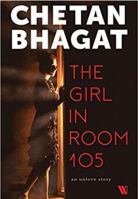
Bhagat often uses tight containers, a single night or location, to compress pressure until it becomes plot. One Night @ The Call Center leans into a modern setting: fluorescent light, scripted politeness, the strange intimacy of talking to strangers for a living. “One night” promises a limited window, a story that begins with fatigue and ends with a decision. The Girl in Room 105 has the clean, ominous specificity of a keycard, and that anonymity can feel like safety or threat. The title carries a built-in question: why that room, why that girl, and what does the narrator think happened there? You can sense the story angling toward secrecy and discovery, toward the way obsession sharpens into investigation.

How to choose where to start

Start with the kind of pressure you want. Two States makes family and social conflict part of the air the characters breathe. Half Girlfriend begins with the ache of misalignment, two people using the same words but meaning different things. One Night @ The Call Center offers a built-in deadline under fluorescent lights, and The Girl in Room 105 points you at a locked door and the mystery behind it. One Indian Girl gives a foothold to readers who like fiction that argues with the world through choices made under pressure. The aftertaste in many Chetan Bhagat books is recognition: the sense that the hardest part of a decision isn’t making it, it’s living with the chorus of reactions afterward. If you’re looking to buy Chetan Bhagat books, you can find great low-cost copies on ThriftBooks.

Copyright © 2026 Thriftbooks.com Terms of Use | Privacy Policy | Do Not Sell/Share My Personal Information | Cookie Policy | Cookie Preferences | Accessibility Statement
ThriftBooks ® and the ThriftBooks ® logo are registered trademarks of Thrift Books Global, LLC
GoDaddy Verified and Secured