


Muhammad Iqbal
Books by Muhammad Iqbal

The World Treasury of Modern Religious Thought
$7.09 - $10.69
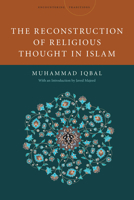
اسلامی فکر کی نئی تشکیل
$20.99 - $109.41
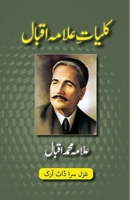
Kulliyat-e-Allama Iqbal: All Urdu Poetry of Allama Iqbal (Urdu Classics)
Out of Stock
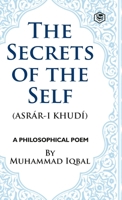
اسرار خودی
$12.23 - $40.94
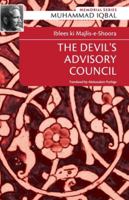
Iblees KI Majlis-E-Shoora: The Devil's Advisory Council
$11.43
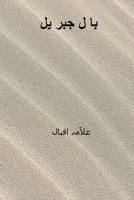
Bal-i-Jibril ( Urdu Edition )
Out of Stock
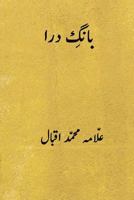
بانگِ درا
Out of Stock
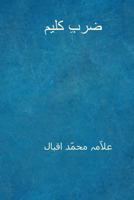
Zarb-i-Kalim
Out of Stock
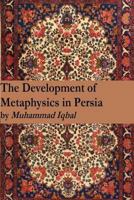
The Development of Metaphysics in Persia
$10.71 - $39.95
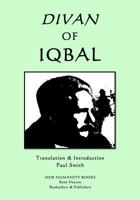
Divan of Iqbal
$20.00
کلیات اقبال: اردو
Out of Stock
Zarb-e-Kaleem: Armagan-e-Hijaz
Out of Stock
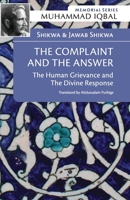
شکوہ اور جواب شکوہ
$11.43 - $30.69
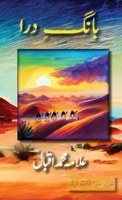
Baang e Dara
Out of Stock

The Book of Iqbal
$23.00
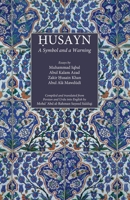
Husayn: A Symbol and a Warning
$11.43
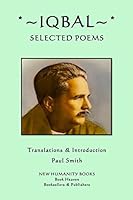
Iqbal: Selected Poetry
$20.00
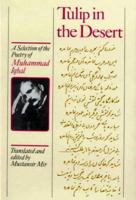
Tulip in the Desert: A Selection of the Poetry of Muhammad Iqbal
$31.67
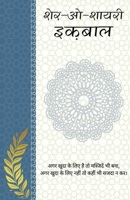
Sher-o-Shayari: Iqbal (Hindi Edition)
Out of Stock
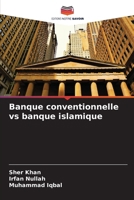
Banque conventionnelle vs banque islamique (French Edition)
Out of Stock
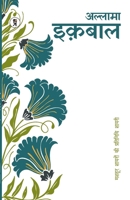
Mashhoor Shayaron kee Pratinidhi Shayari Muhammad Iqbal (Hindi Edition)
Out of Stock
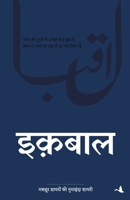
Iqbal
Out of Stock

رموز بیخودی
$11.19
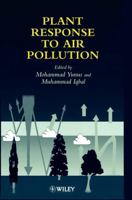
Plant Response to Air Pollution
$349.33
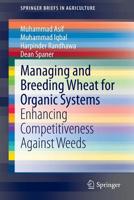
Managing and Breeding Wheat for Organic Systems: Enhancing Competitiveness Against Weeds
$54.99
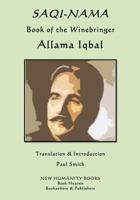
Saqi-Nama: Book of the Winebringer
$15.59 - $17.00
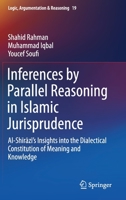
Inferences by Parallel Reasoning in Islamic Jurisprudence: Al-Shīrāzī’s Insights into the Dialectical Constitution of Meaning and Knowledge
$54.99 - $60.10
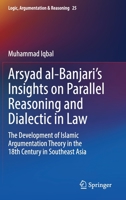
Arsyad al-Banjari’s Insights on Parallel Reasoning and Dialectic in Law: The Development of Islamic Argumentation Theory in the 18th Century in Southeast Asia
$119.99

Lo Sviluppo Della Metafisica in Persia: Un Contributo Alla Storia Della Filosofia Islamica
Out of Stock

Ruba'iyat of Iqbal
$19.00 - $21.00
Author Bio
A poet-philosopher at the crossroads of prayer and argument
Muhammad Iqbal’s books move in two directions at once: inward, toward the self and its discipline; and outward, toward a public world of history, community, and belief under pressure. Across his poetry and prose, you feel him testing language for torque: how much thought a line can carry, how much music it can bear without breaking. Some readers come through a single volume; others want an Allama Iqbal book in English as a doorway into his arguments about religion and modernity. Either way, the work asks for slow reading, alert to repetition.
Poems that think out loud
Iqbal’s poetry reads like thought in motion. In اسرار خودی (The Secrets of the Self), the premise is a paradox: the “self” as something with hidden rooms that can be studied and brought into clarity. The phrase “philosophical poem” warns: expect argument shaped into verse, image and cadence keeping the thinking alive. Then there’s بانگِ درا, a title that suggests sound and summons: poetry as address, public speech with a pulse. Zarb-i-Kalim comes in with a harder edge: “Zarb” is a strike, “Kalim” evokes speech, hinting at language as an instrument, not to adorn, but to cut, to wake, to correct.
Prose that rebuilds the scaffolding
Alongside the poetry sits prose that takes on religious thought with philosophy’s tools: definition, distinction, structure. If the poems are a mind in flight, the prose is that mind at a desk; اسلامی فکر کی نئی تشکیل is explicit about its project: reconstruction. That word implies something rendered unstable, and a response that is not nostalgia but building. It draws readers wanting an Allama Iqbal book in English, since the questions are direct and contemporary. Iqbal also appears in wider conversations: The World Treasury of Modern Religious Thought suggests an anthology frame where ideas meet across traditions.
Series contexts and the long conversation
The most useful ways to read Iqbal are contextual, because his work is in constant dialogue with scripture, philosophy, and ethics. Encountering Traditions signals reading as encounter, the plural inviting comparison. Roshan Kitabain carries a different promise: “bright books,” “illuminating books,” brightness meaning clarity, instruction, or a guided path, precisely what first-time readers often want.
Where to start, and how to read him
For Iqbal in concentrated poetic form, start with اسرار خودی, which teaches how he thinks: by returning to a central concept and worrying it into depth. For the public voice, move toward بانگِ درا or Zarb-i-Kalim, where the reading is more like listening. For the architecture of his ideas, اسلامی فکر کی نئی تشکیل is the entry. Iqbal rewards margin notes: mark the sharp claims and recurring images, and over time those patterns become the real story.
Muhammad Iqbal’s work asks to be used: a way of thinking, of arguing, of taking the inner life seriously. If you’re looking to buy Muhammad Iqbal books, you can find good low-cost copies on ThriftBooks.
ThriftBooks ® and the ThriftBooks ® logo are registered trademarks of Thrift Books Global, LLC
