


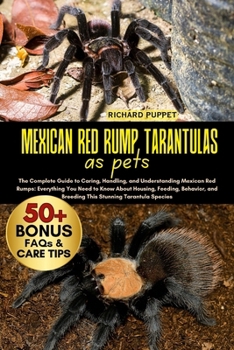
Mexican Red Rump Tarantulas as Pets: The Complete Guide to Caring, Handling, and Understanding Mexican Red Rumps: Everything You Need to Know About Ho
No Customer Reviews

The Mexican Red Rump Tarantula (Tliltocatl vagans, formerly Brachypelma vagans) is a striking and captivating species that has found a special place in the world of exotic pet keeping. With its velvety black body and vibrant red hairs adorning its abdomen, this tarantula draws attention not just for its appearance, but also for its manageable temperament, hardy nature, and relatively simple care requirements.
A Popular Choice Among Tarantula Enthusiasts
The Mexican Red Rump is considered a great beginner tarantula, making it one of the most popular choices for novice keepers. Its popularity stems from a combination of appealing traits: a calm demeanor, relatively low maintenance needs, and resilience to various environmental conditions when compared to more sensitive species. This spider is also known for its modest size, reaching about 5 to 6 inches in leg span when fully grown, which makes it large enough to impress yet manageable in captivity.
Striking Appearance
One of the most distinctive features of the Mexican Red Rump Tarantula is its coloration. The deep black body is contrasted by bright, reddish-orange hairs on the abdomen, creating a visually stunning effect that stands out even to casual observers. This coloration not only makes the tarantula photogenic but also serves as a natural deterrent to predators in the wild, signaling that it may be toxic or dangerous-even though it poses little threat to humans.
Docile Nature with a Defensive Edge
While generally calm and reluctant to bite, the Mexican Red Rump has a well-developed defense mechanism. Instead of resorting to biting, it will usually flick urticating hairs from its abdomen when it feels threatened. These tiny, barbed hairs can irritate the skin and mucous membranes, especially the eyes and nose, but are rarely dangerous when handled with care. Most owners learn quickly how to read their tarantula's body language to avoid provoking this defense response.
Hardy and Low-Maintenance
Another trait that makes this tarantula ideal for hobbyists is its hardiness. It can tolerate a wider range of humidity and temperature compared to some tropical species, and it adapts well to captive conditions. As long as its enclosure is set up correctly-with proper substrate, a hiding spot, and regulated humidity-this species tends to thrive.
Feeding is also straightforward. Like most tarantulas, the Mexican Red Rump feeds on live prey such as crickets, roaches, and mealworms. Feeding schedules are flexible and easy to maintain, and the spider often exhibits clear signs of hunger or contentment, making it easier for new owners to build confidence in their care.
Unique Behaviors and Personality
Though not as interactive as a dog or cat, Mexican Red Rumps have behaviors that fascinate and entertain their keepers. They are skilled burrowers and enjoy digging elaborate tunnels if given enough substrate. Some individuals can be quite active at night, rearranging their homes, hunting, or simply exploring their environment.
Watching a tarantula molt for the first time, observing it stalk prey, or witnessing its unique grooming habits can be a deeply rewarding experience. These spiders live relatively long lives too-females can live up to 20 years in captivity, while males typically live a shorter span of around 5 to 6 years.
Educational and Fascinating Pets
Beyond their appeal as exotic pets, Mexican Red Rumps serve as fantastic educational animals. They teach patience, responsibility, and respect for life, and can help owners develop a deeper appreciation for invertebrates and their role in the ecosystem. Their care routine promotes observation and learning, making them excellent additions to homes, classrooms, and nature centers.
A Popular Choice Among Tarantula Enthusiasts
The Mexican Red Rump is considered a great beginner tarantula, making it one of the most popular choices for novice keepers. Its popularity stems from a combination of appealing traits: a calm demeanor, relatively low maintenance needs, and resilience to various environmental conditions when compared to more sensitive species. This spider is also known for its modest size, reaching about 5 to 6 inches in leg span when fully grown, which makes it large enough to impress yet manageable in captivity.
Striking Appearance
One of the most distinctive features of the Mexican Red Rump Tarantula is its coloration. The deep black body is contrasted by bright, reddish-orange hairs on the abdomen, creating a visually stunning effect that stands out even to casual observers. This coloration not only makes the tarantula photogenic but also serves as a natural deterrent to predators in the wild, signaling that it may be toxic or dangerous-even though it poses little threat to humans.
Docile Nature with a Defensive Edge
While generally calm and reluctant to bite, the Mexican Red Rump has a well-developed defense mechanism. Instead of resorting to biting, it will usually flick urticating hairs from its abdomen when it feels threatened. These tiny, barbed hairs can irritate the skin and mucous membranes, especially the eyes and nose, but are rarely dangerous when handled with care. Most owners learn quickly how to read their tarantula's body language to avoid provoking this defense response.
Hardy and Low-Maintenance
Another trait that makes this tarantula ideal for hobbyists is its hardiness. It can tolerate a wider range of humidity and temperature compared to some tropical species, and it adapts well to captive conditions. As long as its enclosure is set up correctly-with proper substrate, a hiding spot, and regulated humidity-this species tends to thrive.
Feeding is also straightforward. Like most tarantulas, the Mexican Red Rump feeds on live prey such as crickets, roaches, and mealworms. Feeding schedules are flexible and easy to maintain, and the spider often exhibits clear signs of hunger or contentment, making it easier for new owners to build confidence in their care.
Unique Behaviors and Personality
Though not as interactive as a dog or cat, Mexican Red Rumps have behaviors that fascinate and entertain their keepers. They are skilled burrowers and enjoy digging elaborate tunnels if given enough substrate. Some individuals can be quite active at night, rearranging their homes, hunting, or simply exploring their environment.
Watching a tarantula molt for the first time, observing it stalk prey, or witnessing its unique grooming habits can be a deeply rewarding experience. These spiders live relatively long lives too-females can live up to 20 years in captivity, while males typically live a shorter span of around 5 to 6 years.
Educational and Fascinating Pets
Beyond their appeal as exotic pets, Mexican Red Rumps serve as fantastic educational animals. They teach patience, responsibility, and respect for life, and can help owners develop a deeper appreciation for invertebrates and their role in the ecosystem. Their care routine promotes observation and learning, making them excellent additions to homes, classrooms, and nature centers.
Format:Paperback
Language:English
ISBN:B0FNKJWR22
ISBN13:9798299106046
Release Date:August 2025
Publisher:Independently Published
Length:154 Pages
Weight:0.47 lbs.
Dimensions:0.3" x 6.0" x 9.0"
Customer Reviews
0 rating
Copyright © 2025 Thriftbooks.com
Terms of Use | Privacy Policy | Do Not Sell/Share My Personal Information | Cookie Policy | Cookie Preferences | Accessibility Statement
ThriftBooks ® and the ThriftBooks ® logo are registered trademarks of Thrift Books Global, LLC
ThriftBooks ® and the ThriftBooks ® logo are registered trademarks of Thrift Books Global, LLC
